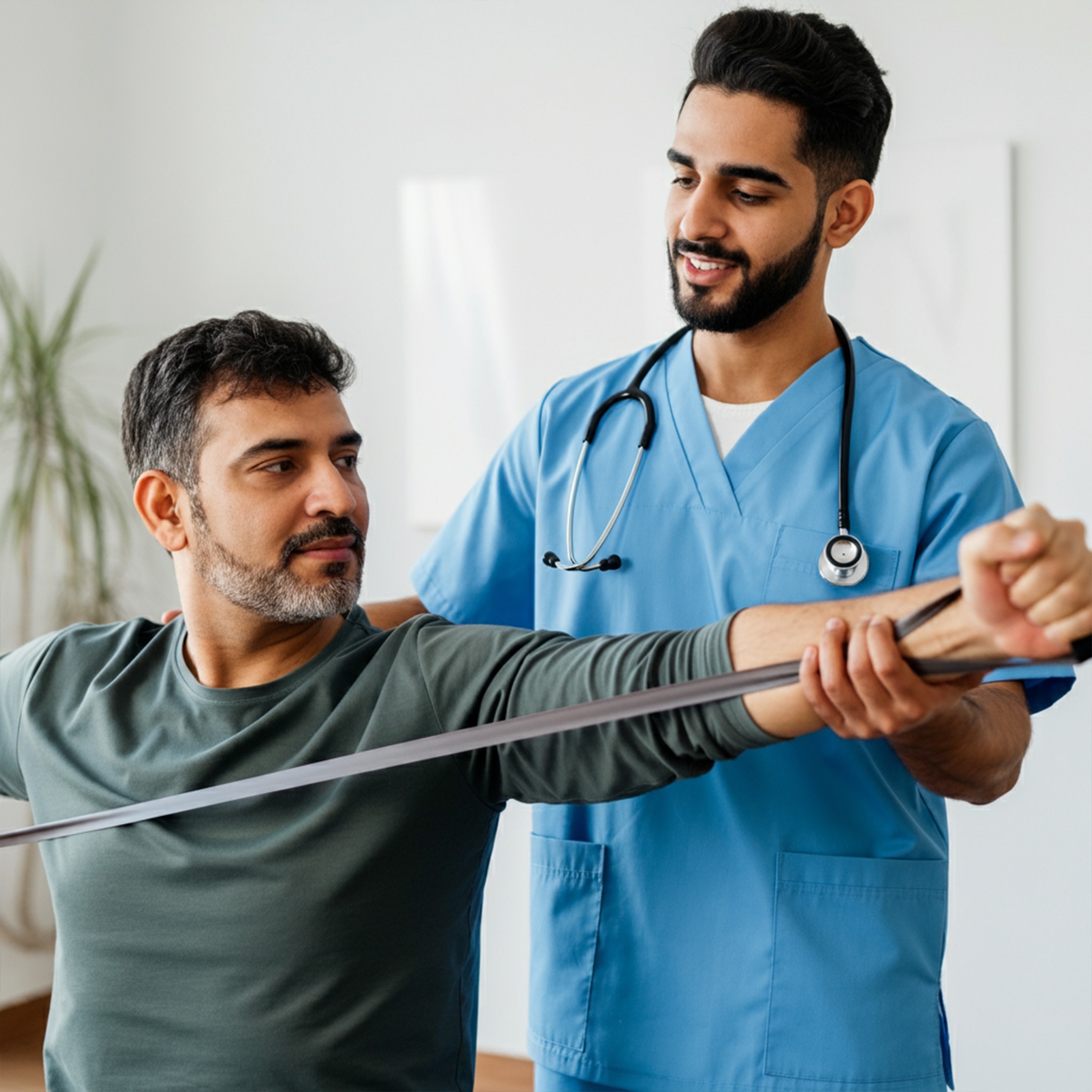
The Bachelor of Occupational Therapy (BOT) is an undergraduate professional degree that trains students to help people regain or improve their ability to perform everyday activities after illness, injury, developmental delay, or mental health challenges. The program teaches a holistic approach to rehabilitation that blends medical knowledge, physical therapy principles, psychological insight, and social care. Graduates become skilled clinical practitioners who design individualized intervention plans, recommend adaptive technologies, and work with families and multidisciplinary teams to maximize a person’s independence and quality of life.
Who should consider BOT
Students who are compassionate, patient, observant, and interested in health sciences and rehabilitation will find BOT rewarding. If you enjoy working directly with people, have an interest in anatomy and psychology, and want a hands-on career that improves daily living for others, occupational therapy could be a great fit.
Eligibility by stream
● Science Stream: Yes (Typically requires 10+2 in Physics, Chemistry, Biology, with English)
● Commerce Stream: No
● Arts Stream: No
Most institutions also require a minimum aggregate percentage in 10+2 and may conduct entrance examinations or interviews. Check specific college requirements for exact cutoffs and application procedures.
Why choose BOT
Focus on restoring meaningful daily activities rather than only treating symptoms.
Strong combination of medical knowledge, creative problem solving, and patient-centered care.
A broad scope of practice: pediatrics, neurology, orthopedics, geriatrics, mental health, community rehabilitation and ergonomics.
Growing recognition of occupational therapy across hospitals, schools, rehabilitation centers, industry and community health programs.
Opportunities for private practice, specializations, and interdisciplinary teamwork.
The BOT program integrates theoretical knowledge with clinical practice. While exact subject titles vary by university, core areas typically include:
Top 10 key subjects
● Patient Assessment
● Therapeutic Intervention
● Rehabilitation Planning
● Adaptive Equipment
● Cognitive Behavioral Therapy
● Manual Therapy
● Ergonomics
● Communication Skills
● Research Methodology
● Ethical Practice
These subjects teach you how to assess physical and cognitive function, plan goal-directed therapy, prescribe assistive devices, apply manual techniques, understand workplace ergonomics, and carry out ethical, evidence-based practice.
Typical year-wise breakdown
Year 1: Foundation sciences, human anatomy, basic psychology, introduction to occupational therapy principles.
Year 2: Pathology, kinesiology, therapeutic techniques, basics of assistive equipment.
Year 3: Specialized areas such as pediatrics, orthopedics, neurology, and mental health. Clinical postings begin.
Final year: Intensive clinical training, community rehabilitation projects, research project and internship.
Clinical training and internships
Clinical training is central to BOT. Practical exposure includes:
Hands-on sessions in hospitals and rehabilitation centers.
Assessing and treating patients with neurological, musculoskeletal and developmental conditions.
Designing individualized rehabilitation plans and environmental modifications.
Working on multidisciplinary teams with doctors, physiotherapists, speech therapists, psychologists and social workers.
Community placements and outreach programs that teach public health approaches to rehabilitation.
Internships allow students to consolidate skills in realistic settings and build confidence in patient communication, documentation and clinical decision making.
Skills you will develop
The BOT program builds a blend of technical and interpersonal skills that are essential for a clinical career. Top skills include:
● Patient Assessment
● Therapeutic Intervention
● Rehabilitation Planning
● Adaptive Equipment Usage
● Cognitive Behavioral Therapy
● Manual Therapy
● Ergonomics
● Communication Skills
● Research Methodology
● Ethical Practice
Developing these competencies prepares graduates to manage diverse caseloads and to plan measurable, meaningful outcomes for each patient.
Tools and technologies used
Occupational therapists work with a range of tools to support rehabilitation. Familiarity with these is part of training:
● Assistive Devices
● Therapy Balls
● Splints
● Orthotic Devices
● Sensory Integration Tools
● Exercise Bands
● Wheelchairs
● Computerized Assessment Tools
● Adaptive Technology
● Clinical Software
Knowledge of both low-tech and high-tech solutions helps therapists match the intervention to the patient’s environment and goals.
Specializations and advanced study
While the BOT is a generalist undergraduate qualification, graduates may pursue advanced training or specializations such as:
Hand therapy
Neurorehabilitation
Pediatric occupational therapy
Geriatric care
Ergonomics and workplace rehabilitation
Mental health occupational therapy
Postgraduate degrees, certifications and short-term courses add depth and open higher-paying or leadership roles.
SALARY RANGE
per annum