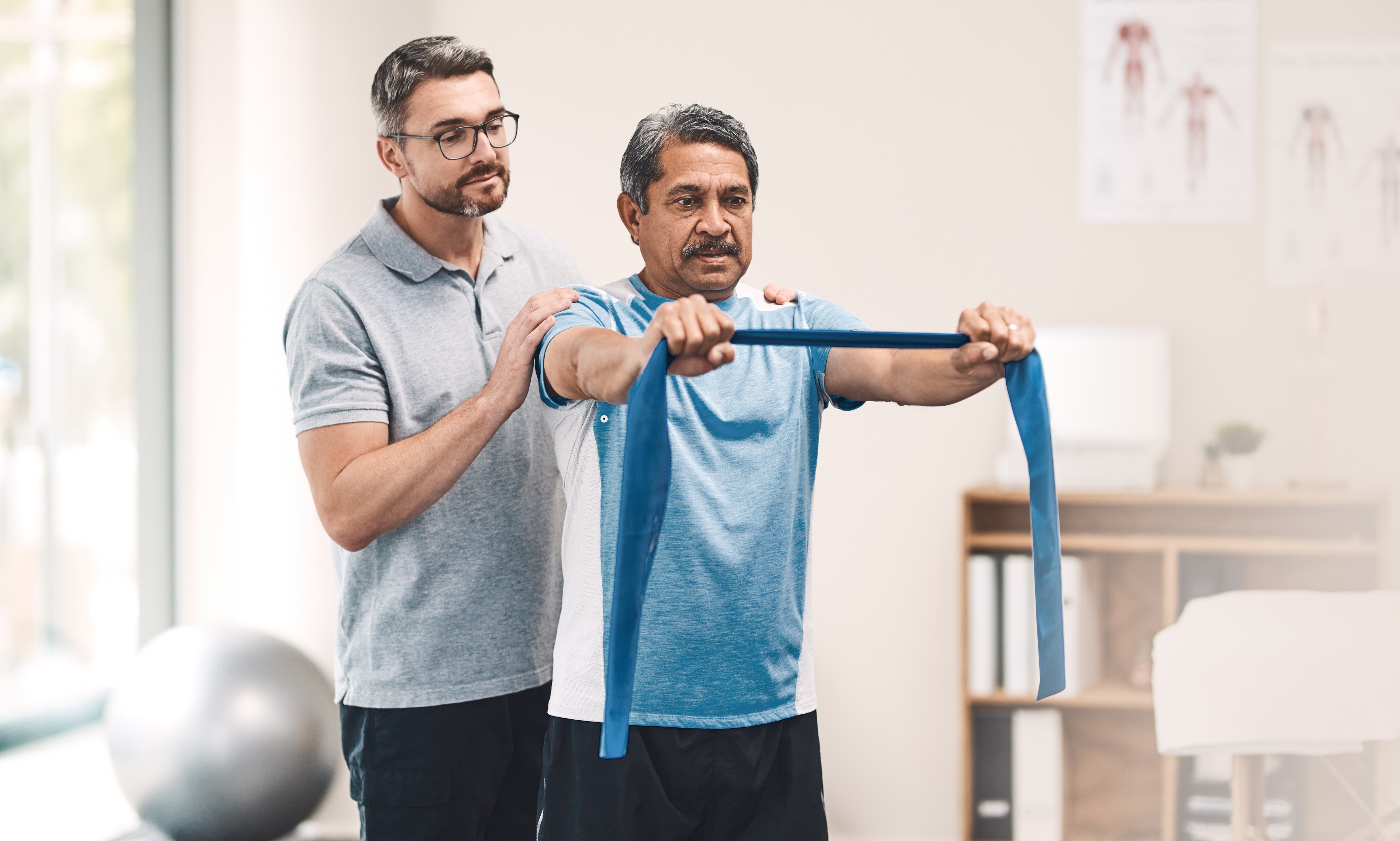
The Bachelor of Physiotherapy (BPT) is a specialized undergraduate degree designed for students passionate about healthcare, to help people remain ambulatory, and maintain physical well-being. This program blends science with compassion, focusing on how to help individuals recover from injuries, manage chronic conditions, and improve their quality of life through physical rehabilitation and therapy.
It’s a four-and-a-half-year course, which typically includes four years of academic study followed by a six-month compulsory internship. The course is built to provide both theoretical knowledge and practical skills in the diagnosis, assessment, and management of patients with physical impairments or disabilities resulting from illness, injury, or aging.
Physiotherapy is a vital part of modern healthcare, and BPT graduates are trained to restore, maintain, and promote optimal physical function, mobility, and overall health.
Why Choose Physiotherapy?
Physiotherapy is not just about healing; it’s about restoring independence and confidence to patients. A career in physiotherapy allows students to make a meaningful difference in people’s lives every single day. Whether it’s helping an athlete recover from an injury, assisting a stroke patient to walk again, or guiding a child with developmental challenges, physiotherapists play a crucial role in improving lives through movement and rehabilitation.
The Bachelor of Physiotherapy program offers a strong foundation in medical and rehabilitation sciences while nurturing empathy, patience, and analytical thinking. With increasing health awareness, longer life expectancy, and lifestyle-related health issues, the demand for trained physiotherapists continues to rise globally.
The BPT curriculum provides students with a well-rounded understanding of the human body, movement sciences, and therapeutic interventions. The coursework combines classroom learning, laboratory sessions, and extensive clinical exposure.
Students explore a wide range of subjects including human anatomy, physiology, biomechanics, pathology, and pharmacology, all tailored toward understanding how the human body functions and heals. They also gain hands-on experience in therapeutic techniques including exercise therapy, electrotherapy, manual therapy, hydrotherapy, and massage therapy.
Beyond treatment methods, students also study psychology, sociology, and public health to ensure they can approach patient care holistically—addressing both physical and emotional well-being.
Clinical training is an essential component of the program. Students work in real healthcare settings under professional supervision, treating patients with orthopedic, neurological, cardiopulmonary, and pediatric conditions. They learn to design personalized rehabilitation plans, perform physical assessments, and apply evidence-based techniques for pain management and recovery.
What You Will Learn
During the Bachelor of Physiotherapy program, students gain knowledge and develop hands-on skills that make them capable healthcare professionals.
Top Skills Developed:
● Patient assessment and diagnosis
● Manual therapy techniques
● Therapeutic exercise design
● Electrotherapy applications
● Rehabilitation planning and execution
● Pain management strategies
● Clinical reasoning and evidence-based practice
● Effective patient communication
● Emergency care response
● Interdisciplinary teamwork
These skills are essential for managing diverse cases—ranging from sports injuries and post-surgical rehabilitation to neurological and geriatric physiotherapy.
Tools and Equipment Used
The BPT program introduces students to modern physiotherapy tools and technologies used in hospitals, clinics, and rehabilitation centers. Understanding how to operate and interpret data from these tools ensures safe and effective treatment.
Top Tools:
● Ultrasound therapy devices
● Electrical stimulators (TENS, NMES)
● Exercise equipment (weights, resistance bands, balance boards)
● Hydrotherapy pools
● Goniometers (for measuring joint angles)
● Electrotherapy machines
● Patient monitoring systems
● Rehabilitation aids (crutches, walkers, wheelchairs)
● Diagnostic tools (motion analysis systems)
● Clinical record-keeping and patient management software
These technologies help students combine manual expertise with scientific precision, preparing them to adapt to modern healthcare environments.
Core Subjects in BPT
The Bachelor of Physiotherapy program covers a diverse range of academic subjects that integrate health sciences, human behavior, and rehabilitation.
Top 10 Key Subjects:
● Anatomy
● Physiology
● Biochemistry
● Psychology and Sociology
● Exercise Therapy
● Electrotherapy
● Orthopedics and Traumatology
● Neurology
● Cardiopulmonary Physiotherapy
● Pediatrics
Each subject contributes to a complete understanding of how the body functions and how it can be rehabilitated after injury or illness.
For instance, anatomy and physiology form the base for understanding human movement, while electrotherapy and exercise therapy teach students how to apply technology and targeted exercises in recovery. Psychology and sociology help physiotherapists connect with patients emotionally and socially, making therapy more effective.
Specialization Options
The Bachelor of Physiotherapy program generally begins with a general foundation, after which students may choose to pursue specialized postgraduate training or certifications.
Popular Specializations after BPT include:
Orthopedic Physiotherapy (musculoskeletal injuries and post-surgery rehab)
Neurological Physiotherapy (stroke, spinal cord, and nerve injury rehabilitation)
Sports Physiotherapy (injury prevention and athletic recovery)
Cardiopulmonary Physiotherapy (heart and lung rehabilitation)
Pediatric Physiotherapy (children with developmental or movement disorders)
Geriatric Physiotherapy (mobility support for older adults)
During the undergraduate level, students typically complete general coursework that prepares them for any of these future paths.
SALARY RANGE
per annum