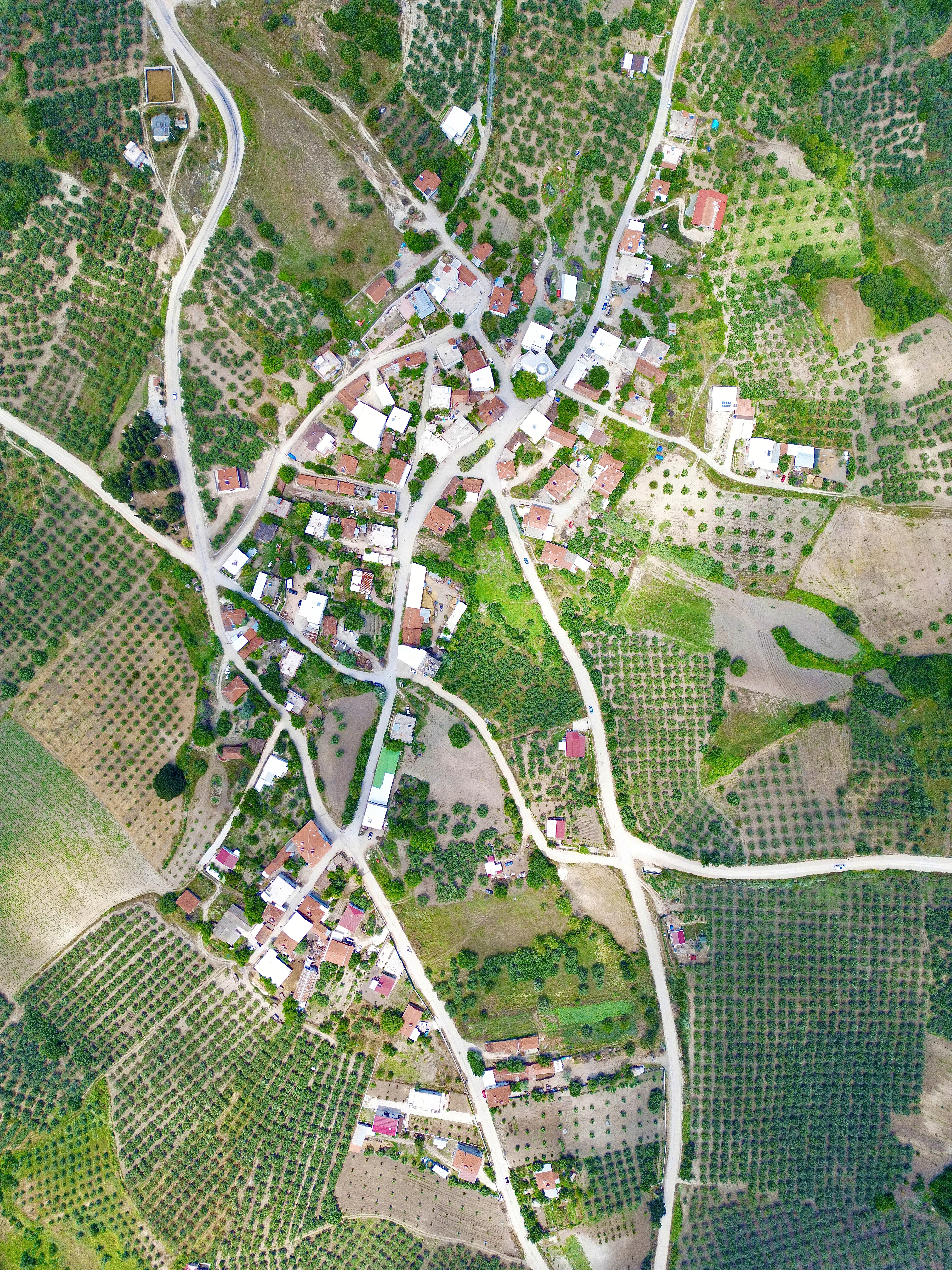
The Bachelor of Planning (B.Plan) is a four-year professional undergraduate degree that prepares students to understand, design, and manage urban, regional, and rural spaces. It blends social sciences, earth sciences, design, engineering principles, governance, and public policy. Through classroom theory and hands-on studio work, students learn tools and methods to address contemporary challenges — from affordable housing and transportation to climate resilience and smart-city design.
Why choose B.Plan?
Impactful work: Planners influence how people live, move, and work: shaping healthy, efficient, and equitable communities.
Multidisciplinary training: B.Plan teaches design thinking together with data analysis, law, and community engagement: good for students who enjoy both people and problem-solving.
Growing demand: Urbanization, infrastructure projects, climate adaptation, and smart-city programs mean steady opportunities in government, private practice, NGOs, and international agencies.
Flexible career paths: From transportation planning to environmental consulting, the degree offers roles in public policy, development projects, and consultancy.
What you will study (curriculum snapshot)
The B.Plan curriculum balances theory with studio practice and fieldwork. Key subjects include:
Urban and Regional Planning
Environmental Planning
Land Use Planning
Transportation Planning
Housing and Community Development
GIS and Remote Sensing
Planning Law and Governance
Economic Development Planning
Infrastructure Planning
Sustainable Development
Students also complete design studios, field surveys, internships, and a final-year capstone or thesis project.
Top skills you’ll develop
Urban and Regional Analysis — reading cities and regions using social and spatial indicators.
Spatial Planning — preparing land-use and zoning proposals that balance needs and resources.
Data Collection and Surveying — gathering primary data through walks, surveys, and observation.
Environmental Assessment — evaluating environmental impacts and mitigation strategies.
Sustainable Development — integrating green solutions and resilience thinking.
Transportation Planning — designing networks that improve mobility and reduce congestion.
Project Management — planning, budgeting, and implementing projects.
Public Policy Understanding — interpreting laws and governance mechanisms that affect planning.
Critical Thinking — synthesizing technical, social, and political information.
Community Engagement — listening to stakeholders and designing participatory processes.
SALARY RANGE
per annum