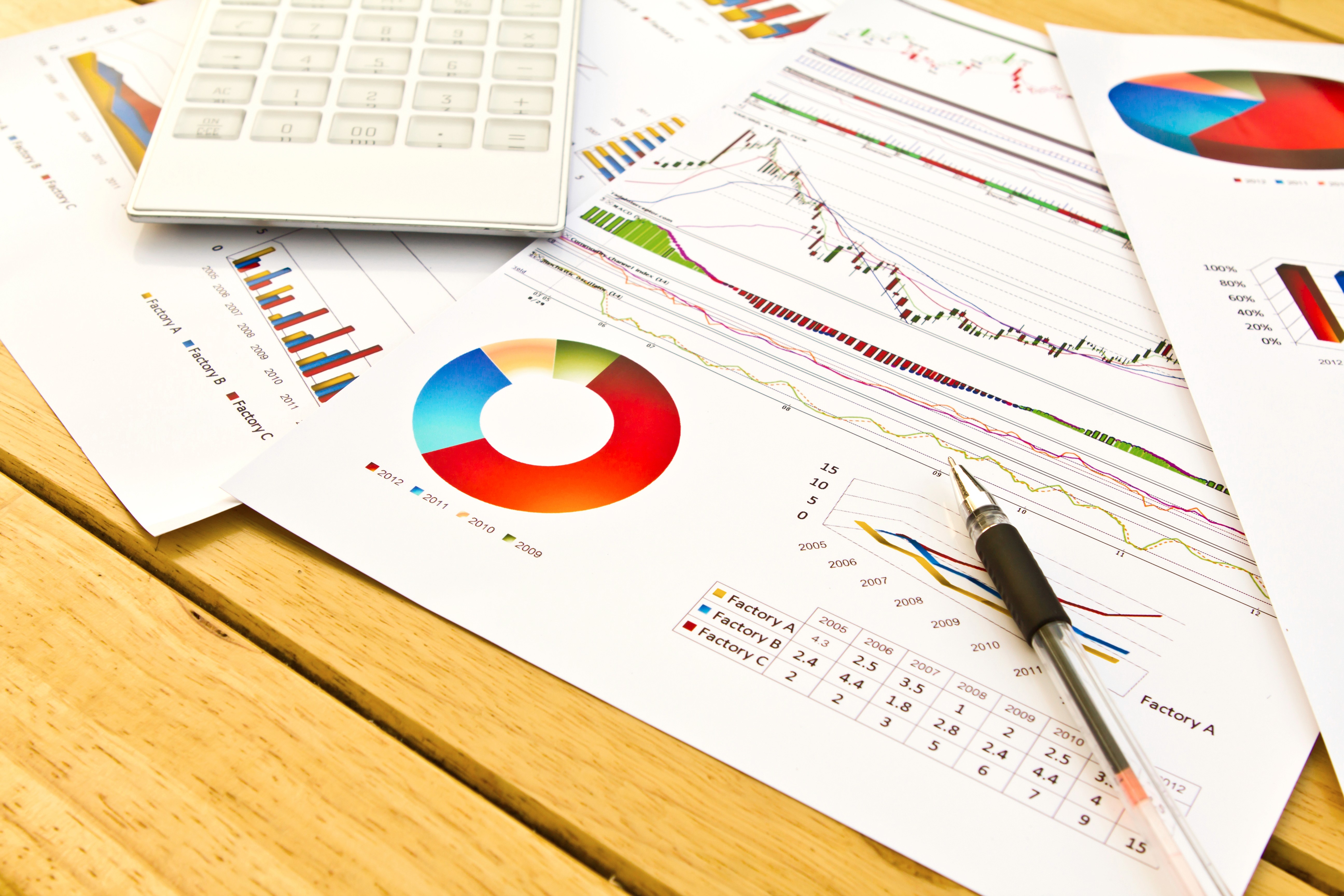
The Bachelor of Commerce (B.Com) with Data Analytics specialization blends traditional commerce foundations with cutting-edge data analytics skills, preparing students for the data-driven business world. This undergraduate degree, typically spanning three years, equips you with core commerce subjects like accounting, finance, economics, and business management, while diving deep into data analytics tools and techniques.
Imagine turning raw business data into actionable insights! You'll master Python programming for data manipulation, SQL databases for querying vast datasets, and data visualization tools like Tableau or Power BI to create compelling dashboards. Courses cover statistical analysis for hypothesis testing, big data handling with Hadoop basics, predictive modeling to forecast sales or market trends, machine learning basics for automated decision-making, and business intelligence strategies to optimize operations.
For students or parents, this degree is a smart bridge to high-demand roles. Traditional commerce grads often stick to accounting, but data analytics opens doors to career opportunities like Data Analyst (₹6-10 LPA starting), Business Intelligence Analyst, Financial Analyst, or even roles in fintech and e-commerce giants like Amazon or Flipkart. With India's digital economy booming (per recent India Skills Report), employability soars—grads are 20-30% more job-ready.
It's practical too: hands-on projects, internships, and certifications in Python, SQL, and analytics platforms build a portfolio employers love. Affordable at most Indian colleges (₹50K-2L per year), it's ideal if you love numbers and tech but want a commerce base. Perfect for building a future-proof career in an era where data is the new oil!
Data Analytics specialization in Indian colleges focuses on developing skills in analyzing large data sets to aid business decisions. The curriculum generally consists of subjects in statistics, probability, data mining, business intelligence, predictive analytics, and machine learning. Students learn programming languages such as Python, R, and SQL, along with tools like Tableau and Power BI for data visualization. The program teaches data collection, cleaning, exploration, and model building techniques. Applied projects and case studies based on real industry data are integral for hands-on learning. The syllabus may integrate fundamentals of economics, finance, and marketing analytics, enhancing contextual understanding of how data informs business strategy. The course emphasizes analytical thinking, problem solving, and the use of modern analytical software for practical applications. Training typically includes internships with companies to gain workplace experience. Upon completion, students are prepared for roles in business analytics, market research, financial analytics, and operations analysis across diverse sectors .
SALARY RANGE
per annum